
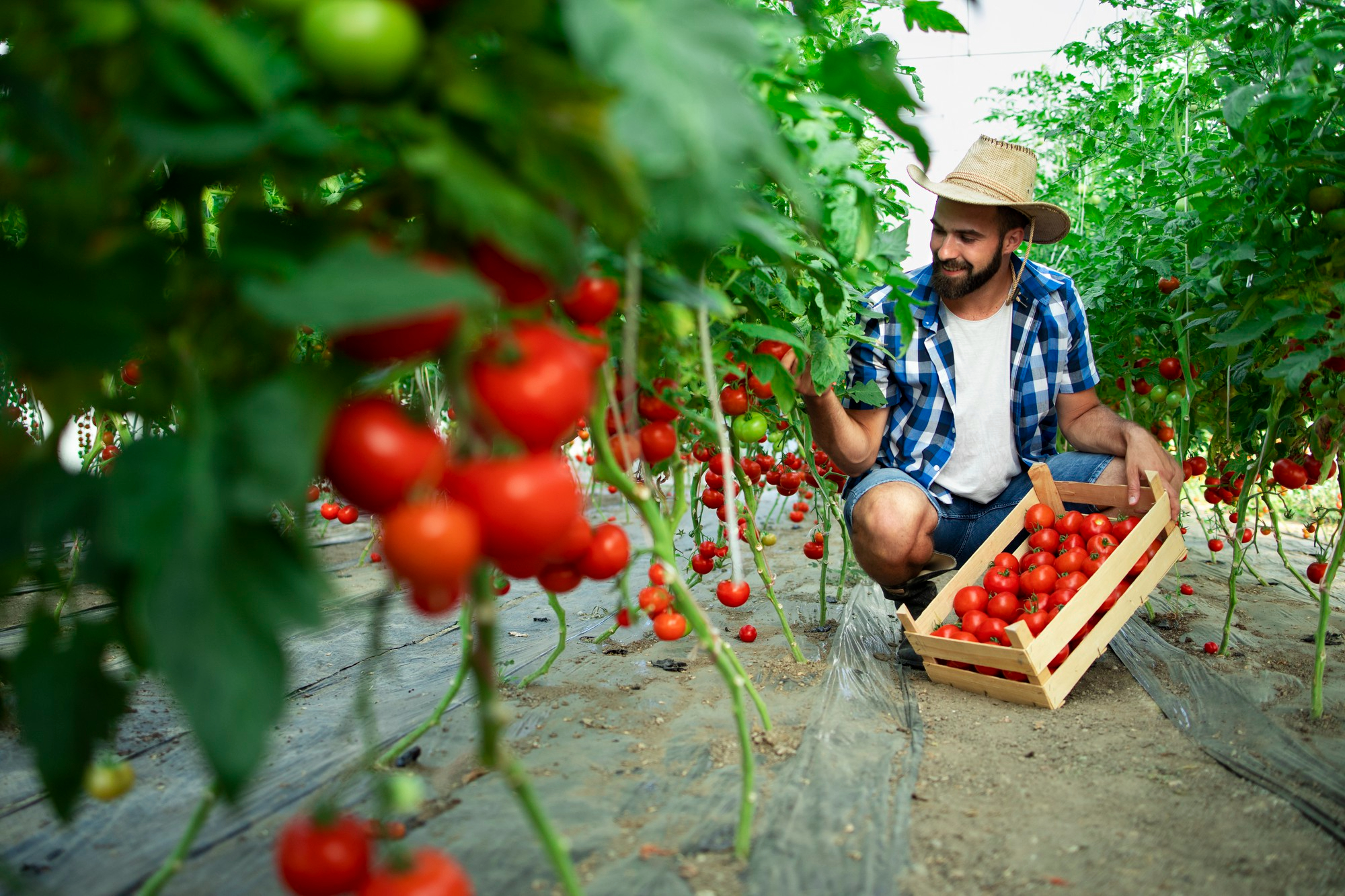
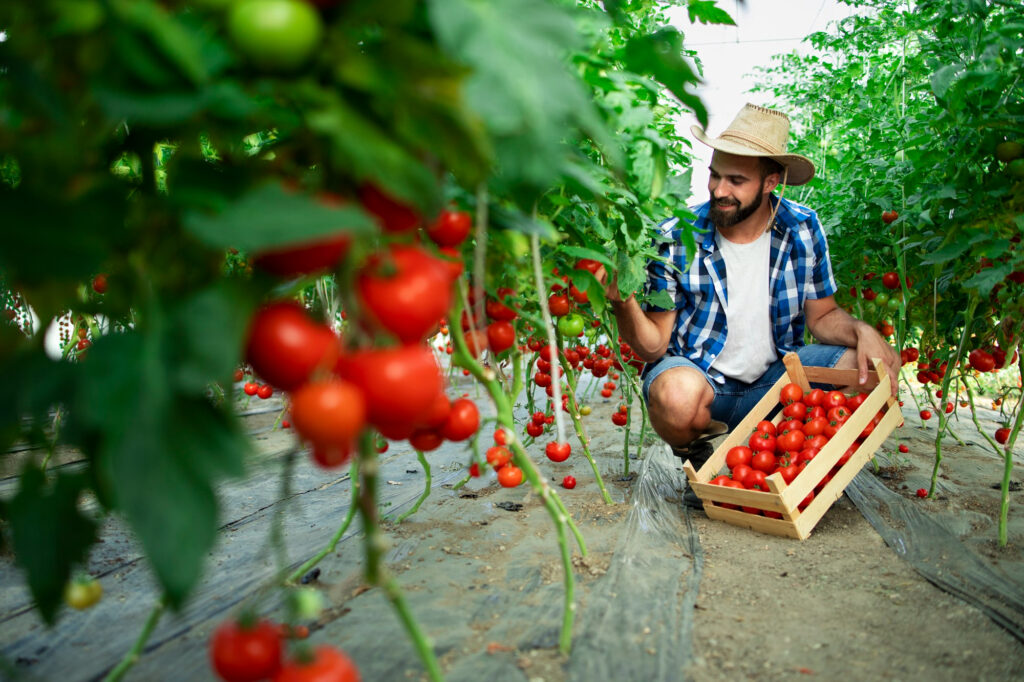
Vegetable and fruit farming is a rewarding business in India due to the consistent demand for fresh produce. With proper planning and execution, it can provide a stable income and contribute to the growing market for healthy food.
- Choose Suitable Crops: Select vegetables and fruits that are in demand in your local market and suited to your region’s climate and soil. Crops like tomatoes, onions, mangoes, and bananas are popular choices.
- Prepare the Land: Test the soil for nutrient levels and make improvements if necessary. Use organic compost or fertilizers to enrich the soil. Proper land preparation ensures better yields.
- Use Quality Seeds or Saplings: Invest in high-quality seeds or saplings from trusted suppliers to ensure healthy growth and disease resistance.
- Adopt Modern Farming Techniques: Implement methods like drip irrigation, mulching, or greenhouse farming for better water efficiency and higher yields. Consider organic farming practices to cater to health-conscious consumers.
- Pest and Disease Management: Monitor crops regularly for pests and diseases. Use natural or chemical solutions as needed while ensuring safety and sustainability.
- Harvest and Sell: Harvest at the right time to ensure freshness and quality. Sell your produce directly in local markets, to wholesalers, or online through e-commerce platforms.
- Plan for Storage and Transport: Invest in proper storage facilities and efficient transport to prevent post-harvest losses and ensure your produce reaches customers in good condition.
With growing consumer demand for fresh, quality produce and government support for agriculture, vegetable and fruit farming in India offers immense potential for profitability and long-term growth.





Leave a reply