
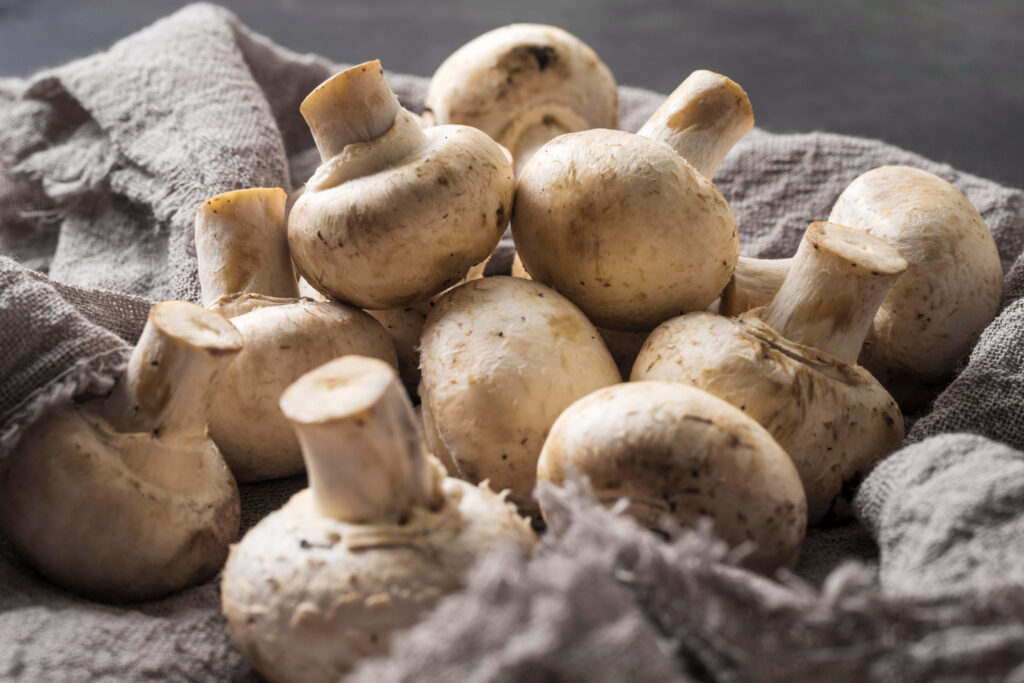
Mushroom farming is gaining popularity in India due to its high demand and profitability. With minimal space and investment, farmers can grow mushrooms like button, oyster, and shiitake. It’s an excellent option for small-scale and urban farmers.
The government supports mushroom cultivation through training programs and subsidies. With the growing awareness of its nutritional value and health benefits, mushrooms are widely used in Indian kitchens and exported to global markets. Mushroom farming offers a sustainable and rewarding business opportunity for aspiring entrepreneurs.
Mushroom farming is a lucrative and low-investment agricultural business that has gained popularity in India due to the growing demand for mushrooms in the food industry. This business is suitable for both small and large-scale operations and can be started with limited resources and space. Here’s how to start a successful mushroom farming business:
- Choose the Type of Mushroom:
Select the type of mushroom you want to cultivate based on local demand and climatic conditions. The most popular varieties in India are button mushrooms, oyster mushrooms, and shiitake mushrooms. - Set Up the Farm:
- Location: You can start mushroom farming in a small room, shed, or even in urban areas with proper space for ventilation and humidity control.
- Temperature and Humidity Control: Mushrooms thrive in cool, dark, and humid conditions. Maintain a temperature between 18-24°C and humidity around 80-90% for optimal growth.
- Procure Quality Spawn:
Mushroom spawn is the seed or inoculated material used for growing mushrooms. Purchase high-quality spawn from reputable suppliers to ensure better yields and disease resistance. - Prepare the Growing Medium:
Mushrooms require organic substrates such as straw, sawdust, or compost for growing. Sterilize or pasteurize the substrate to prevent contamination and ensure healthy growth. - Inoculate and Maintain the Crop:
- Mix the spawn with the prepared substrate and place it in trays, bags, or containers.
- Maintain proper conditions for the growth cycle, including temperature, humidity, and ventilation.
- Harvesting:
Mushrooms generally take 4-6 weeks to grow and can be harvested when they reach maturity. Harvest them carefully to avoid damaging the crop. - Packaging and Selling:
Once harvested, mushrooms should be cleaned, packaged, and stored in cool conditions to maintain freshness. You can sell them to local markets, supermarkets, restaurants, or directly to consumers. - Scaling and Expanding:
As the business grows, consider expanding the farm, diversifying into different mushroom varieties, or venturing into processing and value-added products like dried mushrooms or mushroom powder.
Benefits of Mushroom Farming:
- Low Investment: Requires minimal space and investment compared to other types of farming.
- Quick Turnaround: Mushrooms have a fast growth cycle, yielding profits in a short period.
- High Demand: With increasing health consciousness, the demand for mushrooms is rising in India and abroad.
- Sustainable: Mushroom farming is environmentally friendly, as it uses organic waste as a growing medium.
Mushroom farming is a profitable and sustainable business that offers a great opportunity for both new and experienced farmers looking to enter the agricultural sector.h.







Leave a reply